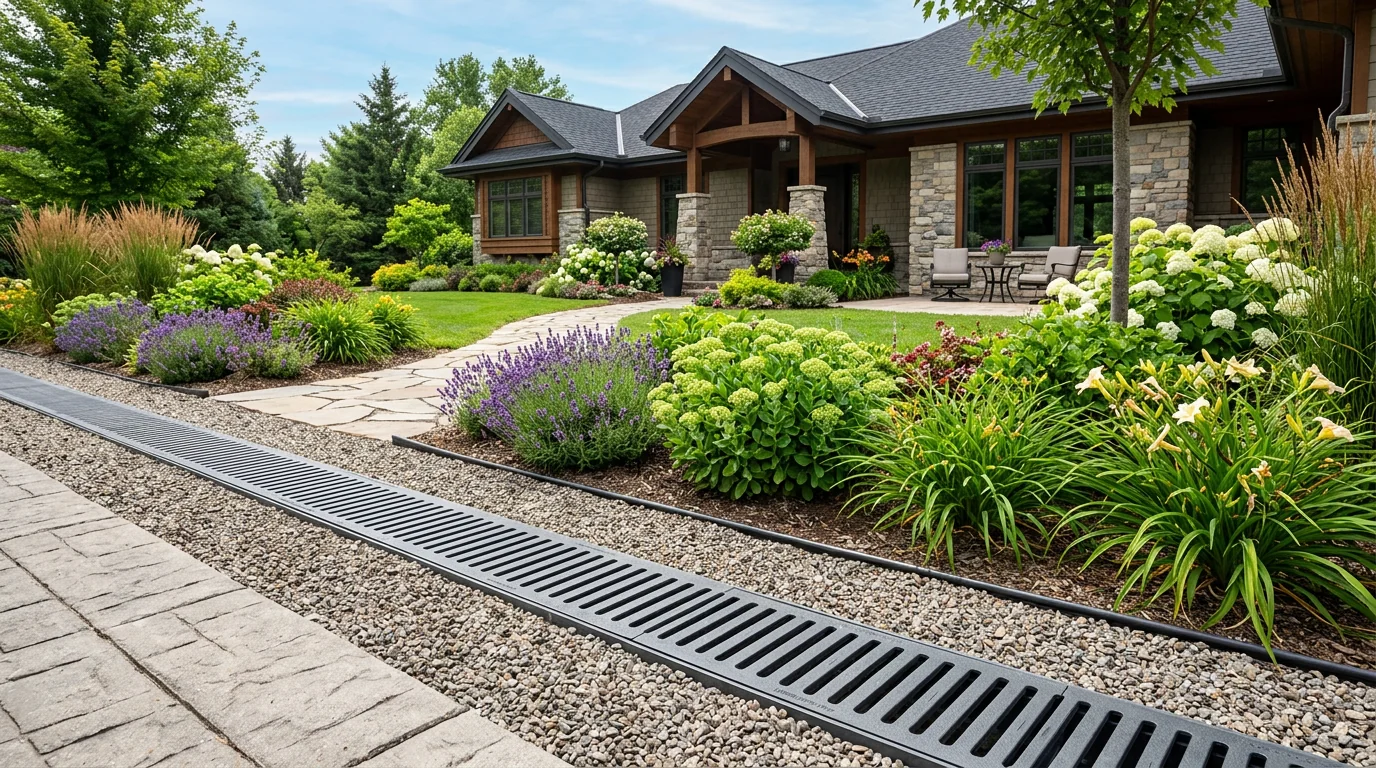
Catch Basin Drain Rock: Sizing, Depth & Quantity Guide
A properly sized and installed catch basin is essential for protecting your property from water damage and erosion. This guide explains what a catch basin is, how it works, which materials you need, how to install it step by step, and how to estimate the amount of gravel required. Whether you are planning a new drainage system or replacing an existing one, use the sections below to find what you need.
See How to Build a Catch Basin
This visual guide shows the step‑by‑step sequence and layer structure for building a catch basin. Seeing the numbered installation tasks alongside a labelled cross‑section of the compacted subgrade, pea‑gravel base, perforated pipe, concrete basin and grated inlet clarifies exactly how each part fits together and why proper drainage depends on following the right order.
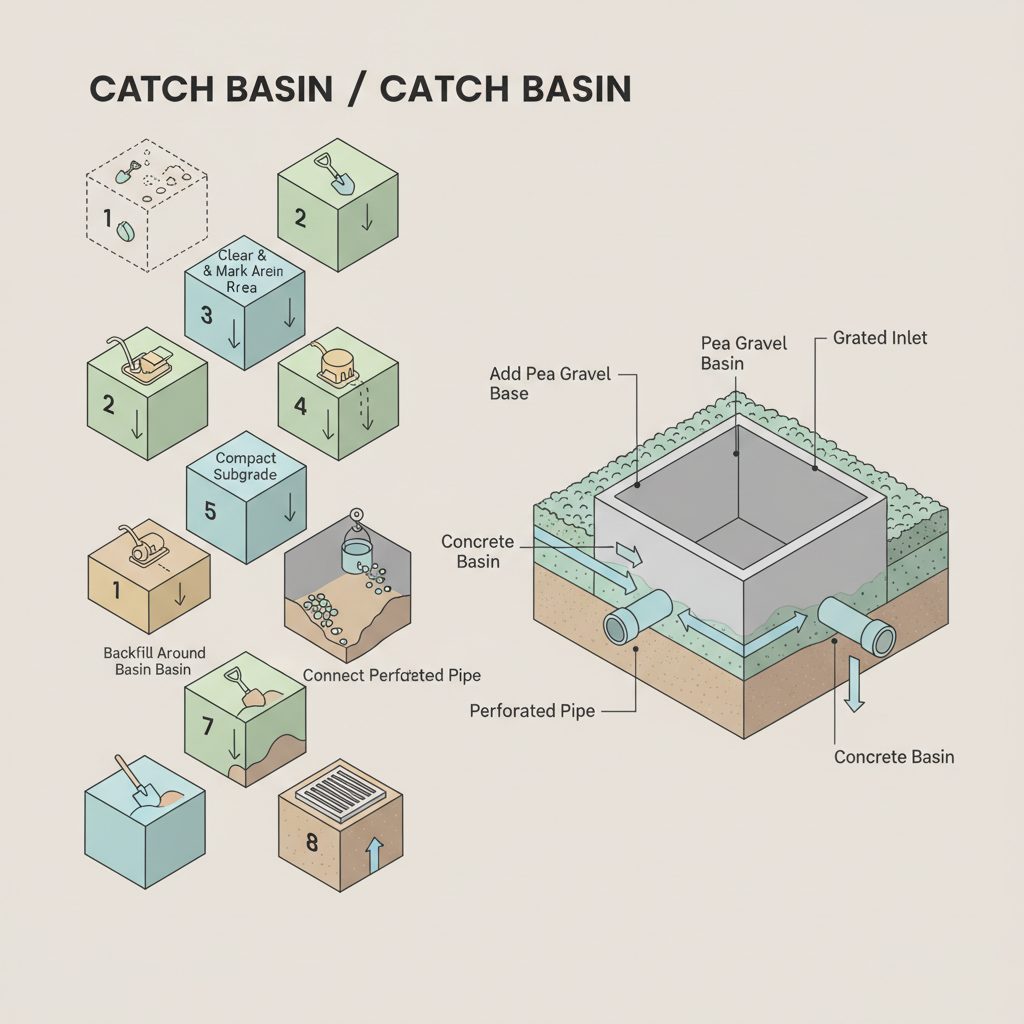
Gravel for Catch Basins: Best Drain Rock, Basin & Pipe Installation Guide
A catch basin is essential for managing surface water runoff and preventing property flooding. Use 3/4 to 1-1/2 inch Drainage Rock for optimal flow, installed 12-18 inches deep around the basin to ensure proper drainage. This angular stone prevents clogging while providing structural stability for the basin and pipe system. Proper installation with adequate depth ensures long-term drainage performance and prevents system failure.
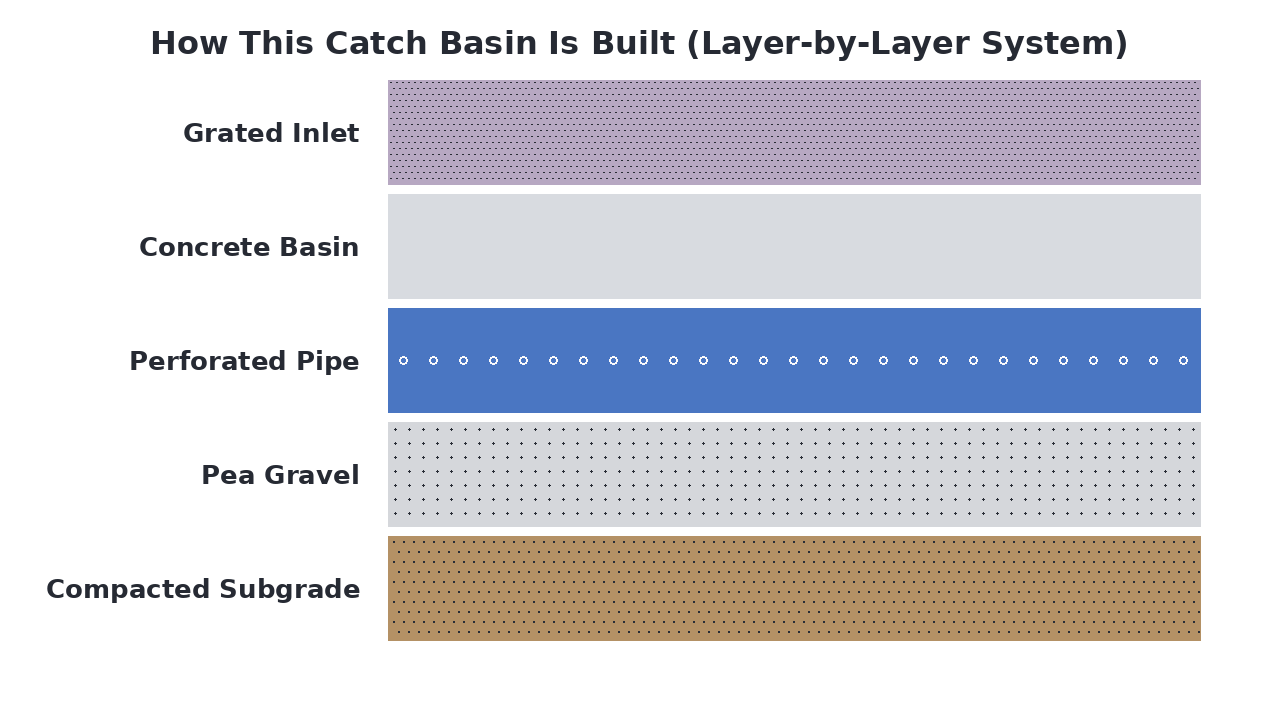
How This Catch Basin Is Built (Layer-by-Layer System)
A catch basin is a critical drainage component that collects surface water and directs it into a buried pipe system for safe discharge. The system begins with a compacted subgrade, followed by a layer of pea gravel that provides a stable base and promotes filtration into the perforated pipe. A concrete or PVC basin sits atop this layer, capturing water through a grated inlet while preventing debris from clogging the system. The entire assembly is sloped to ensure water flows efficiently into the pipe network and away from the property.
Materials Breakdown: What Each Layer Does
A catch basin is constructed as a layered system where each material has a specific function in managing stormwater runoff. The components work together to collect surface water, filter out debris, and channel it into the drainage system while preventing clogging. Proper selection and installation of each layer ensures reliable performance and long-term drainage efficiency.
Compacted Soil
The stable, compacted native soil that forms the foundation for the basin installation and prevents settling.
Pea Gravel
A filter layer that surrounds the pipe to allow water infiltration while preventing soil from entering the drainage system.
View Pea Gravel →Perforated Pipe
Corrugated drainage pipe with holes that collects water from the gravel layer and carries it away from the basin.
Concrete
The main collection chamber that captures surface runoff and allows sediment to settle before water enters the drainage pipe.
View Concrete →Steel Grate
A perforated cover that allows water to enter while filtering out large debris and preventing objects from falling into the basin.
What Is a Catch Basin and Why Does It Matter?
A catch basin is a drainage structure that collects surface water through a grated inlet and directs it into an underground pipe system for safe discharge away from your property. It matters because it prevents water accumulation that can damage foundations, create erosion, and lead to basement flooding. Unlike simple surface drains, catch basins filter out debris before water enters the pipe system, preventing clogs and extending the drainage system's lifespan. This makes them essential for effective, long-term water management in residential and commercial properties.
Common Types of Catch Basin Systems
Catch basin systems come in several common types based on their construction materials and drainage capacity. Plastic basins are lightweight and easy to install but may lack durability for heavy traffic areas. Concrete basins offer maximum strength and longevity but require professional installation and are more expensive. Composite basins blend materials for balanced performance. The choice depends on your drainage needs, budget, and installation preferences.
- Lightweight and easy to install
- Affordable upfront cost
- Corrosion-resistant material
- Suitable for residential use
Best for:Basic residential drainage needs
- Maximum strength and durability
- Handles heavy vehicle traffic
- Long lifespan with minimal maintenance
- Professional installation required
Best for:Commercial or heavy-duty applications
- Balanced strength and weight
- Corrosion and chemical resistant
- Moderate installation difficulty
- Mid-range cost option
Best for:Balanced residential performance
- Excellent natural filtration
- Promotes groundwater recharge
- Cost-effective drainage solution
- Easy to maintain and clean
Best for:Sustainable residential water management
When a Catch Basin Is the Best Solution
A gravel-filled catch basin is ideal when you need effective surface water management with natural filtration capabilities. Choose this option for residential properties where you want to prevent foundation damage while promoting groundwater recharge. It's perfect for homeowners seeking a cost-effective, environmentally-friendly drainage solution that's easy to maintain. This system works best in areas with moderate rainfall where you need to collect runoff while filtering out debris naturally.
Everything You Need to Build a Catch Basin
Building a catch basin requires specific materials to create a layered drainage system and basic excavation tools. You'll need a concrete basin and perforated pipe as the core components, plus gravel and sand for filtration and stability. Essential tools include digging equipment, a level, and a compactor to ensure proper installation and long-term performance.
- Concrete catch basin, Perforated drainage pipe, Pea gravel, Coarse sand, Landscape fabric
- Shovel, Wheelbarrow, Level, Compactor, Hacksaw
- Hello Gravel (materials), A contractor supply store (landscape fabric), Equipment rental (compactor)
What to Consider Before You Start
Before digging, consider these key planning points to ensure your catch basin functions properly and avoids common installation issues.
- Drainage Path Assessment
Determine where water flows naturally on your property and plan the basin location to intercept surface runoff effectively.
- Local Utility Clearance
Call 811 or your local utility locating service to mark underground lines before any excavation.
- Soil Percolation Test
Check how quickly water drains through your soil to determine if additional drainage layers are needed.
- Outlet Pipe Planning
Decide where the perforated pipe will outlet, ensuring it directs water away from structures and follows local regulations.
- Basin Size Calculation
Estimate the volume of runoff your area receives to select an appropriately sized concrete basin.
How to Prepare the Ground for a Catch Basin
Begin by clearing the installation area of all vegetation, debris, and topsoil to reach stable subsoil. Mark the basin location and excavation boundaries with stakes and string, then grade the area to ensure proper drainage slope away from structures. Excavate to the required depth and dimensions, then thoroughly compact the subgrade to create a stable foundation that prevents settling.
How a Catch Basin Works
A catch basin functions as a stormwater collection point where surface runoff enters through the grated inlet and falls into the concrete basin. The basin collects water and allows sediment to settle out before water flows into the perforated pipe surrounded by pea gravel. This layered system filters debris while efficiently channeling water into the drainage network, preventing surface flooding and system clogging.
How to Install a Catch Basin
Clear & Mark Area
⚠️ Local stormwater rules apply: drainage and infiltration projects are subject to local rules about discharge location, setbacks, and (for larger systems) permits. The steps below are provided to help plan your aggregate order, not as a substitute for checking with your municipality and following local stormwater rules. Remove all vegetation and debris, then mark the excavation boundaries with stakes and string.
Excavate Basin Hole
Dig the hole to the required depth and dimensions, ensuring proper drainage slope.
Compact Subgrade
Thoroughly compact the bottom of the excavation to create a stable foundation.
Add Pea Gravel Base
Pour and level a layer of pea gravel in the bottom of the excavation.
Install Concrete Basin
Place the concrete catch basin on the pea gravel base, ensuring it's level and properly positioned.
Connect Perforated Pipe
Attach the perforated drainage pipe to the basin outlet and surround it with pea gravel.
Backfill Around Basin
Fill the space around the basin with compacted soil or gravel, leaving the grated inlet exposed.
Alternative Gravel Options for Catch Basins
Choosing the right aggregate for a catch basin's drainage layer is crucial for effective water flow and long-term stability. While options like pea gravel or sand can serve specific functions, crushed stone with angular edges typically provides the best combination of void space for water passage and structural interlock to prevent settling. The optimal choice balances filtration, permeability, and resistance to clogging from surrounding soil.
Specifically graded angular stone designed for maximum water flow and filtration in drainage applications.
View Product →Versatile angular aggregate that provides good drainage while offering structural stability.
View Product →Smooth, rounded stones that allow water passage but can shift and compact over time.
View Product →Fine material used for leveling or as a filter layer beneath coarser drainage stone.
View Product →Large, smooth stones meant for aesthetics that severely restrict water flow in drainage systems.
Common Catch Basin Mistakes (And How to Avoid Them)
Proper catch basin installation requires attention to detail to ensure effective drainage. These common oversights can lead to system failure, flooding, or premature clogging.
- Insufficient gravel depth
- Wrong aggregate type
- Poor filtration layer
- Inadequate slope
- Missing debris guard
- Improper basin placement
How to Maintain a Catch Basin
Regular catch basin maintenance ensures optimal drainage performance. Inspect and clean the grate and basin interior seasonally, removing leaves, sediment, and debris that could block water flow. Check that the surrounding gravel hasn't settled or washed away, and replenish as needed to maintain proper depth and filtration. Ensure the outlet pipe remains clear and water flows freely through the drainage system.
Calculate How Much Gravel You Need
Enter Your Dimensions
Measure your project area and we'll calculate how much material you need.