
Fill Dirt delivery in Lansing, NC
free delivery · you pick the date
Need fill dirt delivered in Lansing? Order bulk fill dirt near you with same-day delivery. Compare prices on premium fill dirt for your construction or landscaping project.
Where are you located?
Enter your zip code for local pricing
Need exact quantities? Use a material calculator →
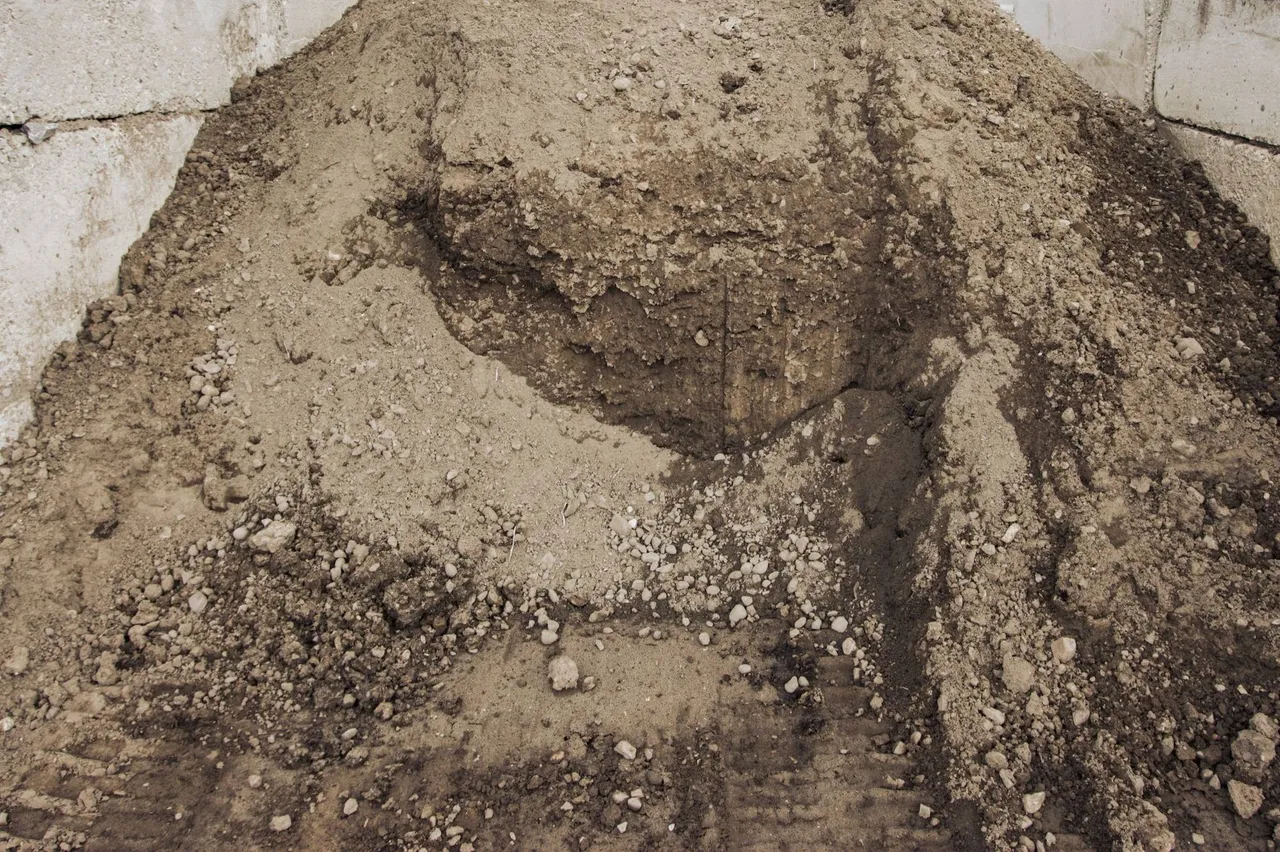
Fill Dirt in Lansing
Fill Dirt
Clean, screened fill dirt for grading, leveling, and backfilling projects. Essential for raising elevation, filling holes, and preparing sites for construction.
Prices are ZIP-regional — enter yours for an all-in delivered price.
How It Works
How Hello Gravel Works?
Simple, fast, and reliable fill dirt delivery in Lansing
Find Your Material
Browse our products or take our quiz to find the right material for your project.
Calculate Amount Needed
Use our calculator to determine quantity. Calculator found on any product page.
Schedule Delivery
Choose your preferred date and time frame. Place your order online. We will call to confirm within 24 hours.
Materials Delivered
We source materials locally through our trusted supplier network and deliver straight to your home or job site in Lansing.
Why Lansing Chooses Hello Gravel
Trusted by homeowners and contractors throughout Lansing
Reliable Local Delivery
On-time delivery from vetted local suppliers you can trust.
High Quality Standards
Materials are quality checked to ensure 100% satisfaction.
Local Support Team
We will be with you through delivery. Call us any time if you need to make any changes to your order.
Quick Turnaround
Next-day delivery available if ordered before noon CST. Most orders delivered within 2-4 business days.
Local Insights
What to know about Lansing
Why Lansing homeowners choose Hello Gravel
Lansing has a city population of 2,500 and sits inside a metro area of 2.3+ million. The community is growing at 2.80% annually and enjoys a moderate climate with 228 sunny days per year, 34.00 inches of annual rainfall, and a USDA hardiness zone of 8b. That combination of steady growth and variable weather drives demand for reliable earthwork: new home builds, yard grading, driveway raises, and utility backfill all require predictable materials. Homeowners and small contractors in Lansing look for quality fill dirt that compacts consistently, supports structures, and helps manage runoff—making material selection a crucial part of any landscaping or sitework plan.
Popular projects in Lansing this season
- Backyard Grade Fill Dirt - 25 tons
- Driveway Base Fill Dirt - 60 tons
- Lot Raise Fill Dirt - 400 tons
- Septic Trench Backfill Fill Dirt - 30 tons
- Retaining Wall Backfill Fill Dirt - 80 tons
Lansing quick facts
- Location
- West North Carolina
- Population
- 2,500
- Metro Area
- 2.3+ million
- Annual Rainfall
- 34.00 inches
- Sunny Days
- 228/year
- Hardiness Zone
- 8b
- Growth Rate
- 2.80% annually
- Delivery Coverage
- Citywide delivery available
Best times for Lansing projects
- Ideal Fall Moisture
- High Spring Moisture
- Summer Drying Risk
- Cold Ground Limits
Local handoff
Want help with fill dirt in Lansing?
Share your ZIP and what you need help with. We'll use this page as context when we follow up.
- 1 Share the page context so we know what you were looking at.
- 2 Ask about pricing, material choice, delivery timing, or quantity.
- 3 Keep it simple if you are not sure what you need yet.
02
Fill Dirt delivery questions
How much does delivery for fill dirt usually cost in small towns like Lansing, NC?
Hello Gravel requires a 3-ton minimum order and offers free delivery in many areas, but fees can apply in rural spots outside main supplier routes. In small towns around Lansing, NC, delivery fees are often modest—typically $0 to $150—depending on distance, dump location, and local supplier schedules. For an exact price, check your zip code on our site or request a quote so we can confirm local hauling costs and next-day availability.
What type of fill dirt is best for driveways and building pads in West North Carolina?
For driveways and building pads in West NC, use clean, compactable fill dirt with low organic content and minimal root material. For driveway bases, we recommend combining compactable fill for grade-building with a crushed stone layer on top for drainage and load-bearing. For building pads, engineered or structural fill may be required by your local building department—check local code before ordering.
How many tons of fill dirt do I need per cubic yard and how do I estimate per square foot at common depths?
A good working range for fill dirt density is about 1.2 to 1.5 tons per cubic yard; use 1.3 tons/yd3 for quick estimates. To get cubic yards: (square feet x depth in inches) / 324. Example: 1,000 sq ft at 4u0022 needs about (1,000 x 4)/324 = 12.35 yd3, or roughly 16 tons using 1.3 tons/yd3. Always order a bit extra (5-10%) to allow for compaction and grading.
What should I expect to pay local contractors in Lansing for spreading and compacting fill dirt?
Labor and equipment rates vary, but typical ranges near Lansing, NC are: operator with skid steer or mini-excavator $80 to $150 per hour, compaction equipment $50 to $120 per day or $50 to $100 per hour with operator, and spread/finish work often quoted at $8 to $25 per cubic yard. Many contractors prefer to price jobs by the hour or by project, so get multiple local quotes and confirm whether the price includes compaction passes. Hello Gravel can help by supplying the material and coordinating delivery timing to match contractor schedules.
How does fill dirt perform in freeze-thaw cycles and heavy rain in the NC mountains?
West North Carolina sees freeze-thaw cycles and heavy rainfall that can cause frost heave and erosion if fill dirt is not properly placed and compacted. Fill dirt with high clay or organic content is more susceptible to heaving and poor drainage; using well-graded, compactable fill and installing good surface and subsurface drainage reduces risks. For critical areas near foundations or driveways, use a granular base and proper compaction to limit movement during freeze-thaw and storms.
Is fill dirt suitable on clay soils and steep slopes around Lansing?
Fill dirt can be used with caution on clay soils and slopes, but it is not always the best choice by itself. On clay subgrades, improve drainage and consider mixing or placing engineered fill to avoid long-term settling and poor drainage. On steep slopes, use terracing, retaining walls, erosion-control fabric, and hydroseeding; if structural stability is needed, consult an engineer for recommended fill and reinforcement methods.
How does the cost of fill dirt compare to crushed stone for rural driveways near Lansing?
Per ton, basic fill dirt is generally cheaper than crushed stone, but crushed stone provides a stronger, longer-lasting base and much better drainage. That means fill dirt may save money up front but typically requires more maintenance and additional material later. For rural driveways in West NC, a compacted fill layer topped with 3 to 6 inches of crushed stone is the most cost-effective long-term solution.
What maintenance does a fill dirt driveway base need and how long will it last in NC climates?
A driveway built only on fill dirt will rut and erode more quickly in North Carolina's wet climate; expect routine grading, added material, and repair after heavy rains or freeze-thaw cycles. With a proper compacted fill base plus a top layer of crushed stone, maintenance drops significantly; this buildup can last many years with periodic grading and adding stone every few years. Regular drainage management (ditches, culverts, swales) is essential to preserve any fill-based driveway in Lansing.
Can I use fill dirt for erosion control on a sloped lot, and what will it cost?
Yes, fill dirt is commonly used to build berms, reshape grades, and fill low spots as part of erosion-control work, but it must be paired with stabilization measures like seed, straw, erosion-control blankets, and temporary silt fences. Material cost for fill dirt is only part of the total; expect additional costs for erosion control measures and labor—small slope projects often run from several hundred to a few thousand dollars depending on size, slope steepness, and required stabilization. For reliable results in the hilly terrain near Lansing, plan on combining proper grading, vegetation, and structural controls.
What is the difference between screened fill dirt and unprocessed fill dirt for drainage and compaction?
Screened fill dirt has been sifted to remove large rocks, roots, and debris, so it compacts more uniformly and is better for finish grading, walkways, garden beds, and near foundations. Unprocessed fill dirt is cheaper and fine for bulk volume work where precise compaction and drainage are not critical, but it may include larger stones and organic material that reduce compaction quality and drainage. Choose screened fill for final grades or areas where good compaction and appearance matter; use unprocessed fill for rough grade-building.
03
Fill Dirt in nearby cities
Ready for fill dirt in Lansing?
Enter your ZIP for an all-in delivered price — you pick the date.
Get fill dirt pricing