How Many Tons in a Yard of Dirt Complete Conversion Guide
Get an estimate for your project in 60 seconds
 Your information is secure

Planning a landscaping or construction project and wondering how many tons are in a yard of dirt? A cubic yard of dirt typically weighs between 1 to 2 tons, depending on soil type and moisture content. Sandy soil averages 1.25 tons per cubic yard, while clay soil can weigh up to 1.8 tons per cubic yard when dry.
Understanding this conversion is crucial for accurate project planning and budgeting. Whether you’re backfilling, grading, or building foundations, knowing the weight helps you order the right amount of material and avoid costly delays.
Quick Answer: Most dry fill dirt weighs approximately 1 ton per cubic yard, but this can increase to 1.5 tons when wet or compacted.
Understanding dirt measurements and conversions
Before diving into calculations, you need to understand the fundamental difference between these two measurements. A ton measures weight (2,000 pounds), while a cubic yard measures volume (27 cubic feet or a 3x3x3 foot cube).
This distinction matters because dirt weight varies significantly based on composition and conditions. You can’t simply apply a universal conversion factor without considering what type of soil you’re working with.
Think of it like comparing a cubic yard of feathers versus a cubic yard of rocks. Both occupy the same space, but their weights differ dramatically. The same principle applies to different soil types.

Factors that affect dirt weight per cubic yard
Several key factors influence how much a cubic yard of dirt weighs, and understanding these helps you make accurate calculations for your project.
Soil composition plays the biggest role in weight variation. Sandy soils contain larger particles with more air space, making them lighter. Clay soils have fine particles that pack tightly together, creating more density and weight. Organic matter like decomposed leaves or roots also affects the overall weight.
Moisture content can dramatically change your calculations. Dry soil weighs significantly less than wet soil because water adds substantial weight. A cubic yard of dry dirt might weigh 1 ton, but the same soil when saturated could weigh 1.5 tons or more.
Compaction level also impacts weight calculations. Loose, freshly excavated dirt weighs less than compacted soil that’s been compressed by heavy equipment or natural settling over time. Understanding how much fill dirt will settle is essential for accurate project planning.
Pro Tip: Always account for a 10-20% weight increase if you’re working with moist soil or plan to compact the material after delivery.
Step by step calculation method
Calculating the weight of dirt for your project involves three straightforward steps that ensure accuracy and help you order the right amount of material.
Step 1: Calculate volume needed. Measure the length, width, and depth of your project area in feet. Multiply these three numbers together to get cubic feet, then divide by 27 to convert to cubic yards. For example, a 10x10x1 foot area equals 100 cubic feet, or about 3.7 cubic yards. If you’re unsure about quantities, check out our guide on how much fill dirt you need.
Step 2: Determine soil type weight. Use the appropriate weight per cubic yard based on your soil type. Sandy loam averages 1.25 tons per cubic yard, loam soil weighs about 1.4 tons per cubic yard, and heavy clay can reach 1.8 tons per cubic yard when dry.
Step 3: Adjust for conditions. Add 10% for moist soil or 20% for wet conditions. If you plan to compact the soil, add another 15-20% to your final calculation. This ensures you have enough material to complete your project without running short.
| Soil Type | Dry Weight (tons/yard) | Wet Weight (tons/yard) |
|---|---|---|
| Sandy | 1.25 | 1.4 |
| Loam | 1.4 | 1.6 |
| Clay | 1.8 | 2.1 |
Common conversion scenarios and practical tips
Different projects require different approaches to dirt weight calculations, and knowing these scenarios helps you plan more effectively.
For foundation backfill, you typically need compacted material, so calculate based on the higher weight estimates. A 100 cubic yard foundation project using clay subsoil would require approximately 180-200 tons when accounting for compaction. Learn more about proper techniques for fill dirt around foundation applications.
Landscaping projects often use lighter topsoil or amended soil mixes. These materials usually weigh less than pure fill dirt, averaging 1.1 to 1.3 tons per cubic yard. Always verify the specific weight with your supplier since blended soils can vary significantly.
Large grading projects benefit from ordering slightly more material than calculated. Weather conditions, soil settling, and equipment compaction can all affect your final needs. Most contractors recommend ordering 5-10% extra material for projects over 50 cubic yards.
Money-Saving Tip: Order dirt by the ton when possible, as suppliers often offer better pricing for weight-based orders on large projects.
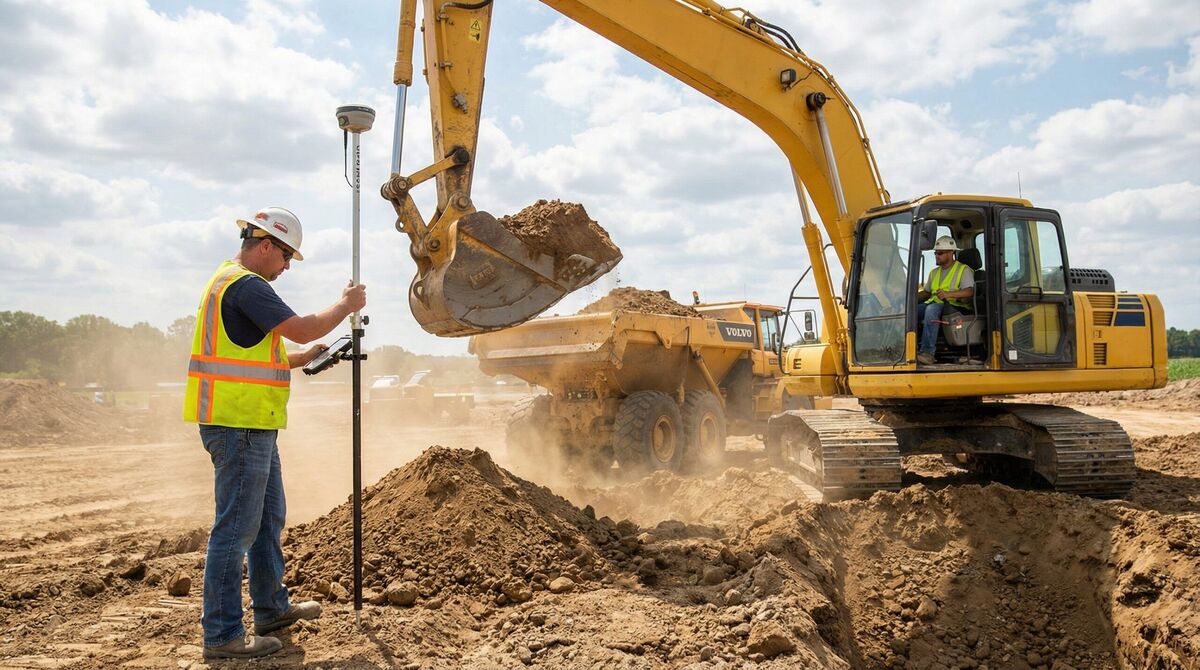
When working with Hello Gravel, our team helps you calculate exact quantities based on your specific project needs and local soil conditions. We provide detailed weight specifications for all our dirt products, ensuring you get precisely what you need for successful project completion. For cost planning, explore our fill dirt cost calculator to estimate your project budget.
Understanding dirt weight conversions empowers you to plan accurately, budget effectively, and complete your project without material shortages or excess waste. Whether you’re tackling a small garden bed or a major construction project, these calculations form the foundation of successful planning.

 Chance Kittrell
